Top Low Tox Nappy Options
.png&w=3840&q=75&dpl=dpl_GmiU14p87zrv8k1ZHC4df9Vg82K5)
I know what you are thinking, “disposables are so convenient. Why would I ever want to make the switch to reusable?” You are probably thinking "I don't want to deal with nappy mess, rather just wrap it up and toss it in the bin. Not to mention all that extra washing!"
But have you taken the time to look into the chemicals that are contained in disposables? We spent a long-time using disposables on and off with our boys until we found out about the reality of what was in them. You might be shocked to know a long list of chemicals can be found in disposables including known carcinogens and toxic chemicals including Phthalates, Sodium polyacrylate, Dioxin, Tributyl Tin (TBT), VOCs like Toluene, Ethylbenzene, Xylene just to name a few.
Are Disposable Nappies Toxic?
I used to think that people just ingested what they put in their mouths, but actually a lot is also absorbed through our skin. Given that babies' skin is thinner than an adult and also has a greater surface area to mass ratio they readily absorb a huge amount of what they're exposed to.
Some of the health effects of the toxins found in disposables nappies include:
Increased risk of cancer.
Decreased fertility in males.
Impaired immune, hormone and reproductive function.
Negative effects on growth and neurodevelopment.
Skin irritation and rashes.
Obesity.
Inflammation of the lungs.
Depression of the central nervous system.

Shockingly, the chemical, Sodium polyacrylate (absorbent gel used in most disposable nappies) killed a child after ingesting as little as 5 grams of it. It has even been banned from use in Tampons due to its link to Toxic Shock Syndrome. Yet it is still used in some nappies!
Cost Benefits of Reusable vs Disposable Nappies
The average baby will go through approximately 5300 nappies and more if they take longer to potty train. With some basic maths the cost of the use of disposables for one baby works out to be around $1,590 for mid-range nappies or $2,650 for premium/econappies. That is a lot of money given the outlay of most reusables is around $750 - $1200 (including laundry costs) and will last for multiple children. That is not to mention the environmental impact of 5300 nappies ending up in a landfill for each child.
Best Reusable Nappies to Use
You have to agree none of the chemicals mentioned should belong anywhere near a babies skin! Once we learnt all of this, we could not say no to switching to reusables despite the extra workload and inconvenience.
When switching it is also good to go for more natural materials. Although the outers will often be synthetic it is important to make sure that the liners aren't, so avoid getting the microfibre polyester ones. I recommend using organic materials as the safest material to be close to your baby's skin! There are a few providers out there. Sadly, the provider we got our original cloth nappies from have since shut down. But, Real Nappies and Fudgey pants have some great organic prefolds and Nappy Mojo and Health Post also stock some organic inserts. We use these inside a PUL shell. Adding in hemp or bamboo as another layer can help with overnight absorption too.

Safer Disposable Nappies Options

For periods where reusables are going to be particularly inconvenient, like when you’re travelling or in those exhausting early newborn days, sometimes you just need the convenience of a disposable. Or simply when you are not ready to make the switch here are some safer options. But, I’ll be honest, though: you have to wade through a mountain of “greenwashing” and empty “low tox” marketing claims to find what’s truly safe. Labels like “made with 0% lotions, latex or fragrance” and “gentle on sensitive skin” sound reassuring, but don’t always guarantee a genuinely non-toxic product.
As there isn’t a perfect option for disposables currently on the market the is completely non-toxic it is important to prioritise the material that sits close to babies’ skin as being as low tox as possible. This part is called the top sheet or gusset of the nappy. Ideally you want this to be to organic cotton and free from harsh chemicals. Plant based is the next best option. There are also other parts to be mindful of such as the absorbent core, distribution layer and back sheet. The more natural materials that are use in these components the better and will help reduce babies exposure to harmful chemicals and the long term risks that come with these.
As I know many people do not have time to hunt down good options I have done a lot of searching and the best two disposable nappies I’ve found are Ecoriginals, which use organic cotton and are transparent about the materials used in each competent of their nappy. They also independently test their nappies to ensure they are free from all harmful chemicals and compounds, including PFAS, chlorine, fragrances, alcohol, parabens, phenols, pesticides, formaldehyde, carcinogenic and allergenic dyes and phthalates making it one of the safest choices from a toxic load and environmental perspective. Another option is BabyLove Beyond Nappies available at The Chemist Warehouse. They use an organic top sheet and are STANDARD 100 by OEKO-TEX certified and are tested for over 350 harmful chemicals.
Other brands like Terra, Tinkle, and Noopii (PFAS free) use bamboo and trustworthy certifications too. While no disposable is perfect, these alternatives are a much better backup for your baby and the planet when reusables aren’t realistic. Millie Moon is the safest nappy that is readily available at the supermarket.


Making the Best Choice When it comes to Nappies
Given the health risks that come with many of the mainstream brands of disposable nappies and the vulnerability of babies’ skins I highly recommend making the switch to cloth nappies or if you are not there yet (I totally get it as a busy parent) choosing one of the better disposable nappy options recommended. The environment and your babies long term health will thank you for it!
References
https://www.communitypractitioner.co.uk/features/2010/10/anatomy-skin
http://toxicslink.org/docs/What's%20in%20the%20Diaper.pdf
https://www.ewg.org/skindeep/ingredients/706159-SODIUM_POLYACRYLATE/
https://pubmed.ncbi.nlm.nih.gov/10501153/
https://www.sciencedirect.com/science/article/pii/S0165993621002314

People who viewed this also viewed
Best Baby Wipes 2025: Non-Toxic Picks and What to Avoid
.png&w=828&q=75&dpl=dpl_GmiU14p87zrv8k1ZHC4df9Vg82K5)
Non-Toxic Kettles: How to Choose a Safe Kettle and the Best Options Available
Lead-Free Water Bottles: What Every Parent Needs to Know
Product Guide - Activewear
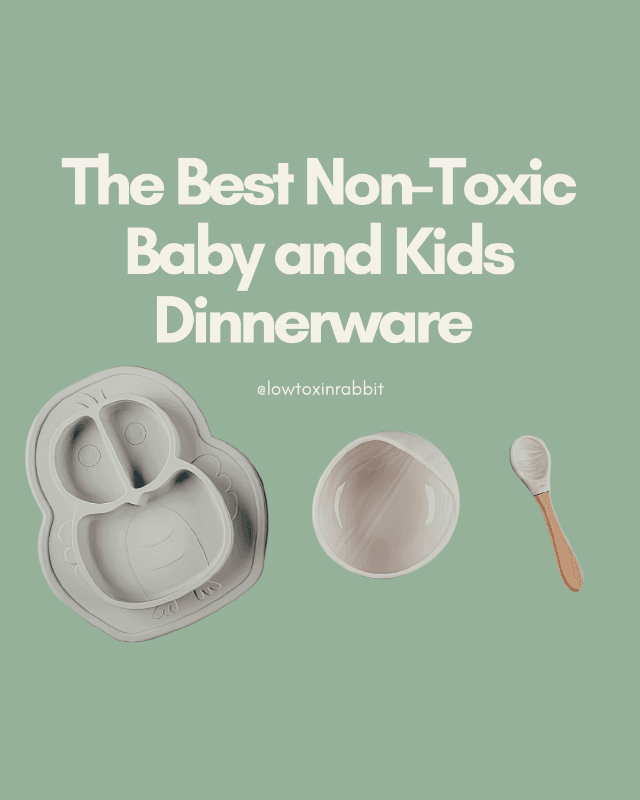
The Best Non-Toxic Baby and Kids Dinnerware in NZ and AU