Ultimate Guide to Non-Toxic Cutting Boards for a Healthy Kitchen
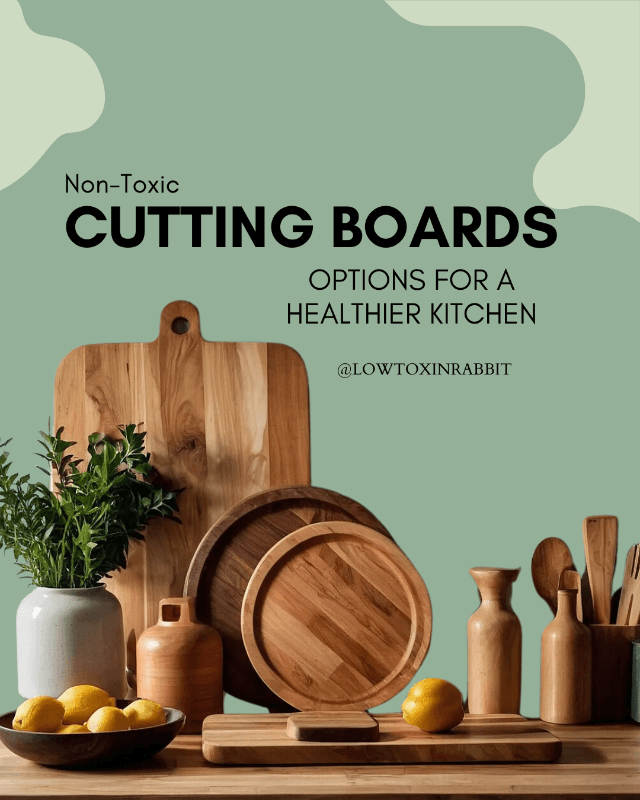
When it comes to creating a healthier kitchen, choosing the right cutting board is an important step. You’re preparing food on it, which means that any toxins present could end up in your meals. Since ingesting toxins is one of the most harmful ways, they can affect our bodies, ensuring that our food surfaces are safe is key.
The trick to maintaining a low-toxin home isn’t about overhauling everything at once, it’s about making better choices when it’s time to replace items we use frequently. If your cutting board is due for an upgrade, here’s what you need to know about non-toxic options.
Why Choosing a Non-Toxic Cutting Board Matters?
Ingesting toxins through food contact surfaces poses a significant health risk. Chemicals found in some cutting boards can disrupt our endocrine system, leading to hormonal imbalances and various health problems. By opting for a non-toxic cutting board, we can minimise our exposure to these toxins and look after our health.
Toxic Cutting Board Surfaces You Should Avoid

Plastic
Plastic is widely used because it’s affordable and easy to clean, but it has major downsides. Over time, plastic boards get scratched, increasing your exposure to harmful chemicals like phthalates and PVC compounds. These chemicals are linked to endocrine disruption, reproductive harm, allergies, and even asthma. Microplastics from cutting on plastic boards can also make their way into your food, posing long-term health risks.
Bamboo
Bamboo is often marketed as an eco-friendly choice, but it’s not the best option for a toxin-free kitchen. Most bamboo cutting boards are made by fusing small bamboo particles with adhesives that often contain formaldehyde, a known carcinogen. Additionally, bamboo is a grass rather than a hardwood, meaning it is more porous and can absorb moisture, leading to bacterial growth and warping over time. While untreated solid bamboo may be a safer option, it’s difficult to find and does not offer the same durability or antimicrobial properties as hardwood.
Antibacterial Surfaces
If a cutting board is labelled “antibacterial” or “prevents odours,” it likely contains chemical antibacterial agents like triclosan, which can disrupt hormones and contribute to antibiotic-resistant bacteria. These chemicals can leach into food and have been linked to health issues, including thyroid dysfunction and increased allergy risks.
Melamine
Melamine is a chemical compound used in kitchenware that negatively affects brain development and reproductive functions. It’s often found in budget-friendly cutting boards, but due to its toxicity, it’s best to avoid it for food preparation. Melamine resin can leach chemicals into food, especially when exposed to heat, posing long-term health risks.
What is the Best Non-Toxic Cutting Board Material?
Hardwood Cutting Boards
Hardwood is the best material for a safe, durable, and naturally antibacterial cutting board. A well-maintained hardwood board resists deep knife grooves, preventing bacteria from becoming trapped. People often think wood harbour bacteria, but this is not the case. A study from the University of Wisconsin found that wooden cutting boards harbour fewer bacteria than plastic ones, as bacteria tend to die off more quickly on wood. The study compared 7 different types of wood chopping boards to plastic when it came to bacteria being on the boards, in all 7 cases of the wood, the bacteria died within 3 minutes, whereas it did not die on the plastic.

Top US/European woods for cutting boards:
Hard Maple – The gold standard; dense, tight-grained, highly durable, and naturally resistant to bacteria and deep cuts.
Black Walnut – Premium with rich color; durable yet knife-friendly, with good moisture and bacteria resistance from density.
Cherry – Beautiful, durable hardwood; tight grain for excellent moisture and bacteria resistance, very gentle on knives.
Beech – European favorite for butcher blocks; dense, fine-grained, durable, and low-porosity for strong bacteria resistance.
Teak – Highly water-resistant with natural oils; antibacterial, stable, and durable—ideal for humid kitchens.
White Oak – Strong and tannin-rich for natural antimicrobial properties; very durable and moisture-resistant, though slightly more open-grained.
Top Australian/New Zealand woods for cutting boards:
Tasmanian Oak – Durable, dense, and resistant to deep cuts.
Blackbutt – A tough, locally sourced Australian hardwood with antimicrobial properties.
Jarrah – A highly durable hardwood with natural resistance to moisture and bacteria.
Kwila (Merbau) – A hard, dense wood known for its durability and stability.
Macrocarpa (Monterey Cypress) – A New Zealand-grown softwood with natural antimicrobial properties, making it a great alternative to hardwoods.
Rimu – A native New Zealand hardwood known for its beauty and durability.
Australian Camphor Laurel - which is naturally antibacterial and sustainable.
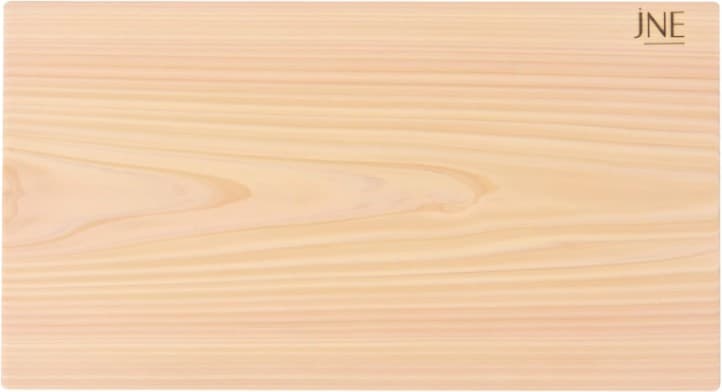
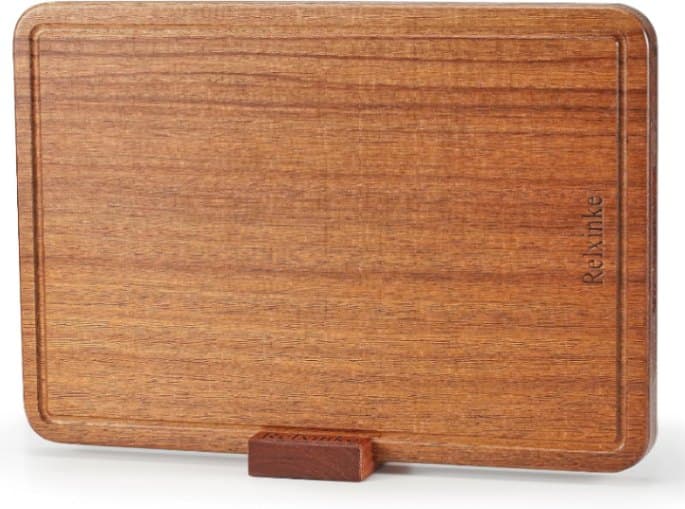
Product Recommendations
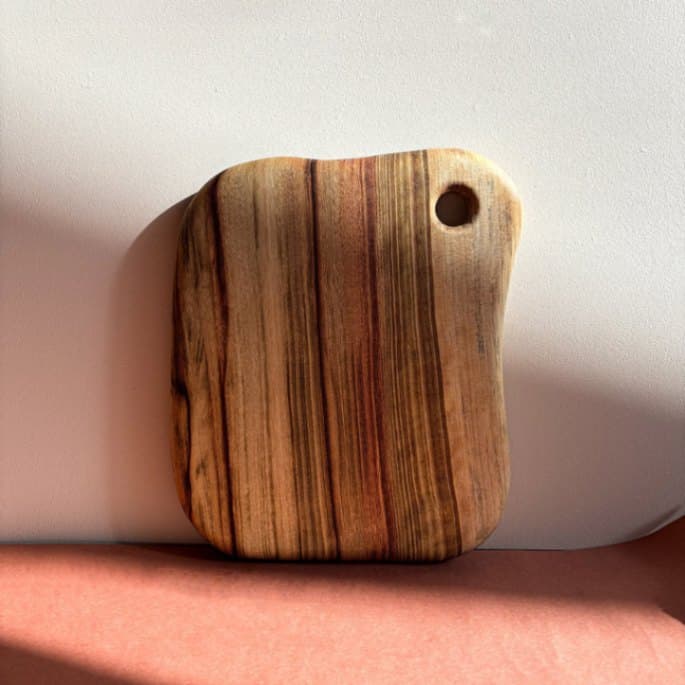
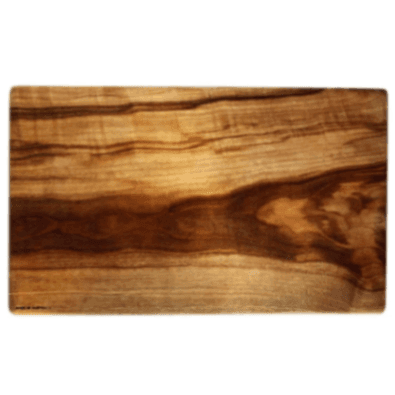
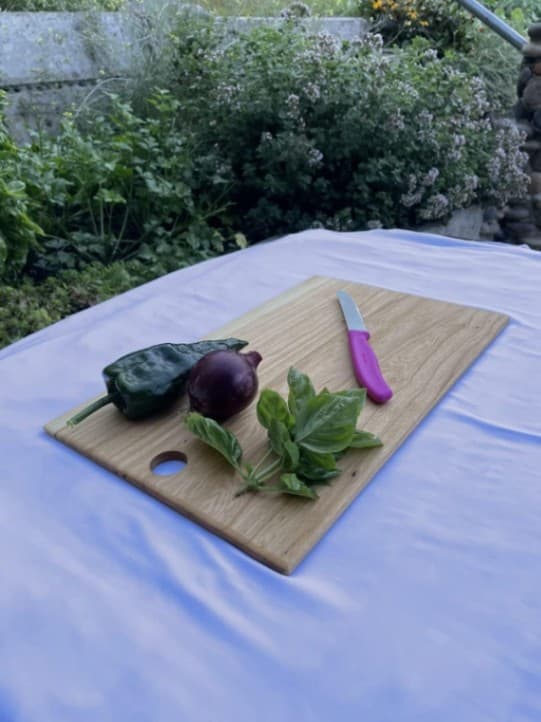
How do you Care for Your Hardwood Cutting Board?
To ensure your hardwood cutting board lasts for years to come, follow these care tips:
Hand wash your board with warm, soapy water and dry it immediately to prevent warping or cracking.
Sanitize your board with a mixture of 1 part white vinegar to 4 parts water. Spray the solution on the board, let it sit for a few minutes, then rinse and dry.
Oil your board periodically with food-grade plant oil, such as grapeseed, to prevent drying out.
Allow your board to air-dry completely between uses, and sun-dry it a couple of times a week if possible.
Switching to a non-toxic cutting board is a small but impactful step toward a healthier kitchen. By choosing high-quality hardwoods, you’ll not only avoid harmful chemicals but also enjoy a long-lasting, naturally antibacterial surface for meal prep. When it’s time to upgrade, opt for trusted options like Fab Slab or other solid hardwood boards to keep your kitchen safe and toxin-free.
Reference:

People who viewed this also viewed
The Truth About GMO-Derived Rennet and Why It's Important to Choose GMO-Free Cheese
.png&w=828&q=75&dpl=dpl_GmiU14p87zrv8k1ZHC4df9Vg82K5)
Non-Toxic Kettles: How to Choose a Safe Kettle and the Best Options Available
Non-Toxic Cookware Guide: Which material is really healthiest for cooking?
How to Choose Low-Tox Bedding: GOTS vs. OEKO-TEX
Best Baby Wipes 2025: Non-Toxic Picks and What to Avoid