
Lead-Free Water Bottles: What Every Parent Needs to Know

Why Is Lead Found in Stainless Steel Water Bottles?
You might be wondering how on earth lead ends up in something designed to keep our drinks safe. The culprit is often those tiny sealing dots found at the base of insulated drink bottles. These little dots are used in the vacuum-sealing process that creates the double-wall insulation we love for keeping drinks hot or cold.
Manufacturers use solder to seal the vacuum chamber, and traditionally, many have used lead-based solder because it's cheap and effective. The problem is that this lead dot sits right at the bottom of your bottle, where it can potentially leach into your drinks, especially if the bottle is damaged, scratched on the inside, or exposed to acidic beverages.
It can also expose someone to lead externally. Think of a kid making contact with an exposed lead dot with their hands after taking a drink and then proceeding to eat their lunch.
Insulated stainless steel bottles are the main offenders here because they rely on this vacuum-sealing technology. Single-wall bottles, glass water bottles, and non-insulated options typically don't have this issue because they don't require vacuum sealing.
-1769314792743.png)
Health Risks of Lead Exposure: Why We Need to Protect Our Kids
Lead exposure is no joke, especially when it comes to our children. Even tiny amounts of lead can cause serious developmental issues in kids because their bodies absorb lead more readily than adults, and their brains are still developing.
Lead poisoning can result in:
Learning difficulties
Behavioural problems
Reduced IQ
Speech and language delays
Attention issues
-1769314772442.png)
It can also cause slowed growth, hearing problems, and anaemia. The truly scary part is that there's no safe level of lead exposure for children. Unlike adults who might experience symptoms at higher exposure levels, children can suffer permanent neurological damage from even low-level chronic exposure.
Because kids often use drink bottles multiple times daily at school, sports, and home, a contaminated bottle becomes a consistent source of exposure. We're talking about something they're putting in their mouths every single day.
Best Lead-Free Drink Bottle Brands
The good news is that plenty of brands are doing the right thing and committing to lead-free manufacturing. Here are companies that have confirmed they do not use lead solder or sealing dots in their bottles, offering safe water bottles for kids and adults:
.png&w=3840&q=75&dpl=dpl_H85FLM5f1rzN6DuG8geoVFYWUP6X) H2Go Filtered Water Bottle from Hydrate Filters - Stainless SteelUse LOWTOXINRABBIT for 10% discountView
H2Go Filtered Water Bottle from Hydrate Filters - Stainless SteelUse LOWTOXINRABBIT for 10% discountView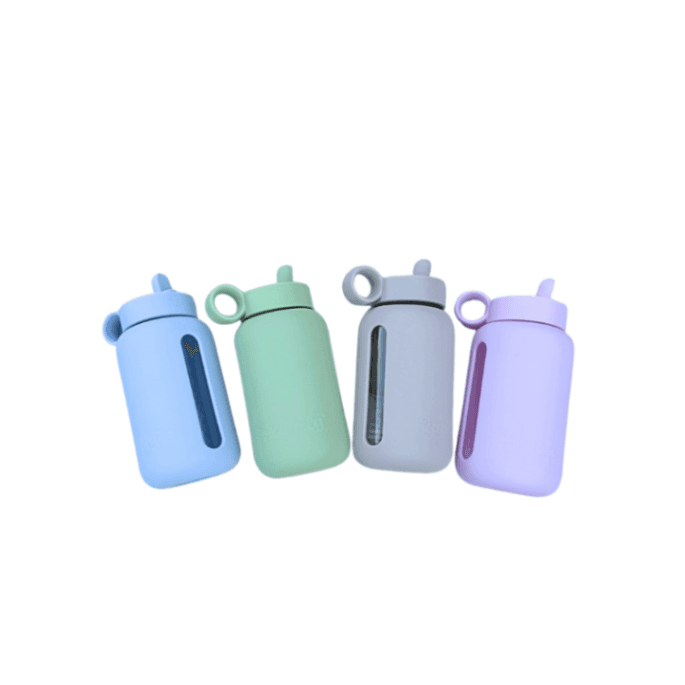
.png&w=3840&q=75&dpl=dpl_H85FLM5f1rzN6DuG8geoVFYWUP6X)
 PlanetBox Glacier Sippy Straw Water BottleUse SARAH10 for 10% Storewide at Little Reef and FriendsView
Kaakaa Baby - Their 800ml and 500ml glass bottles are lead-free (use code LOWTOXINRABBIT)
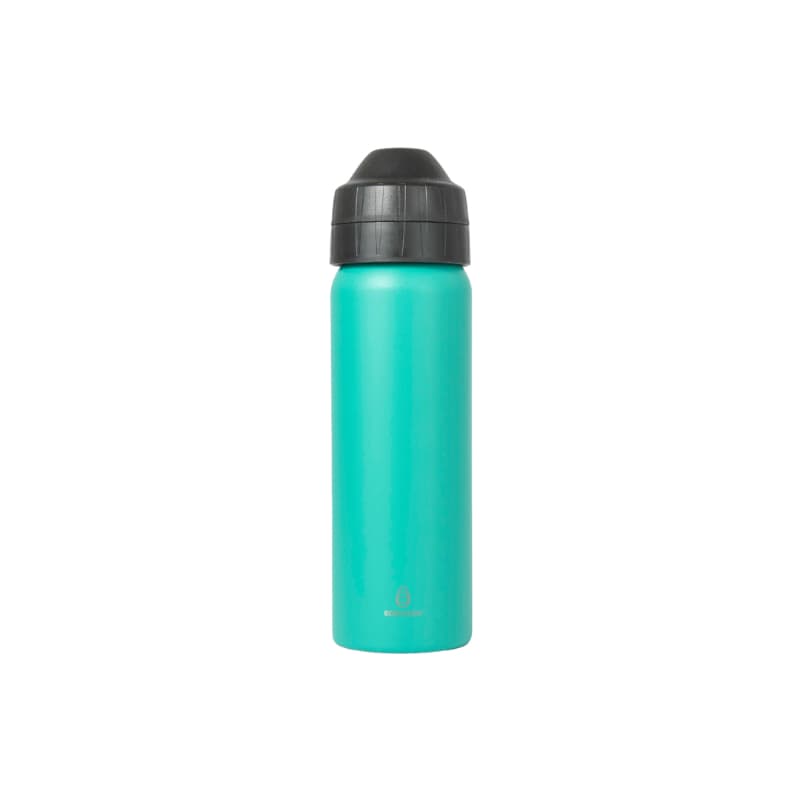
Ecococoon - Confirmed lead-free (use code LOWTOXINRABBIT)
PlanetBox and Bink Made Mama Bottle - Both lead-free options (use code SARAH10 at Little Reef and Friends)
Hydrate Filters H2Go Filtered Water Bottle - Stainless Steel (use code LOWTOXINRABBIT)
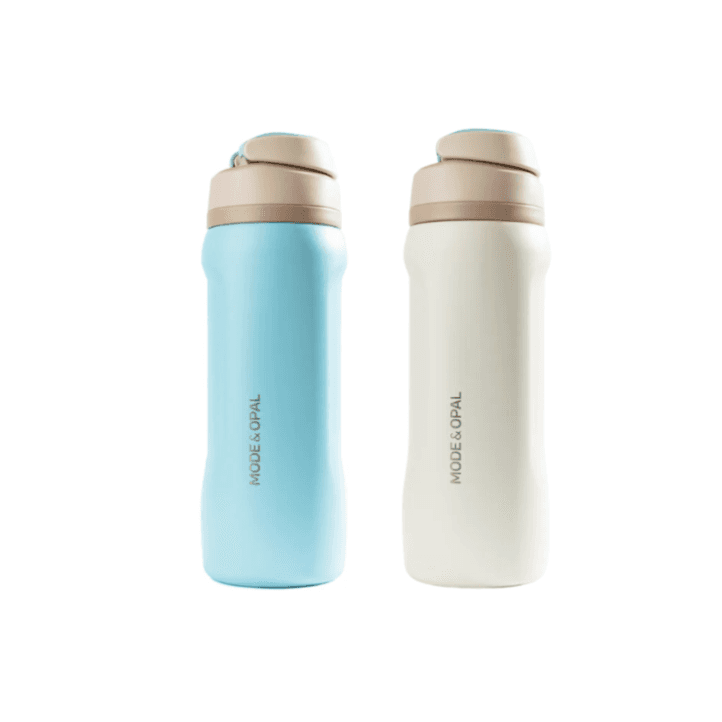
Mode and Opal - Lead-free range
Montii Co - Their newer bottles (as pictured in recent releases) are lead-free
Owala / Owala AU - Lead-free across their range
Pura Stainless Steel - Confirmed lead-free
Hydro Flask NZ - Lead-free products
Klean Kanteen NZ - Lead-free manufacturing
(*some codes are affiliates)
These brands have taken the initiative to either use alternative sealing methods, lead-free solder, or designs that don't require vacuum sealing at all. It's worth supporting companies that prioritise our health over cutting costs.
What to Do If Your Water Bottle Has a Lead Solder Dot?
If you've discovered that your current drink bottle has a lead solder dot, don't panic, but do take action.
Inspect for Damage: First, check for any wear and tear on the water bottle. The risk increases if the interior or exterior coating is scratched or damaged, so inspect your bottle carefully. Keep in mind that even minor scratches or chips in the interior coating can increase the risk of lead leaching into drinks or cause lead to be transferred onto little hands.
Dispose if Damaged: If there is any sign of wear and tear, it is best to safely dispose of the water bottle and replace it with a lead-free option.
Contact the Manufacturer: If you are not sure if your water bottle is lead-free, I recommend contacting the manufacturer and asking if they are lead-free and if they use a lead soldering dot. If the brand is not transparent about their manufacturing process, then that is a red flag, and it would be best to look for other lead-free options.
The best low-tox water bottles are lead-free
Choosing lead-free drink bottles is a simple but important step in protecting your family's health. Check your current bottles for lead solder dots and any signs of wear, replace them at the first sign of any damage with a lead-free option, and don't be afraid to ask manufacturers the tough questions. Our children (and us!) deserve safe products, and thankfully there are plenty of great lead-free alternatives available.
References
https://www.who.int/news-room/fact-sheets/detail/lead-poisoning-and-health
https://archive.cdc.gov/www_atsdr_cdc_gov/csem/leadtoxicity/physiological_effects.html

.png&w=828&q=75&dpl=dpl_H85FLM5f1rzN6DuG8geoVFYWUP6X)
.png&w=828&q=75&dpl=dpl_H85FLM5f1rzN6DuG8geoVFYWUP6X)
.png&w=828&q=75&dpl=dpl_H85FLM5f1rzN6DuG8geoVFYWUP6X)