The Ultimate Guide to Non-Toxic Car Seats Without Flame Retardants (2025)
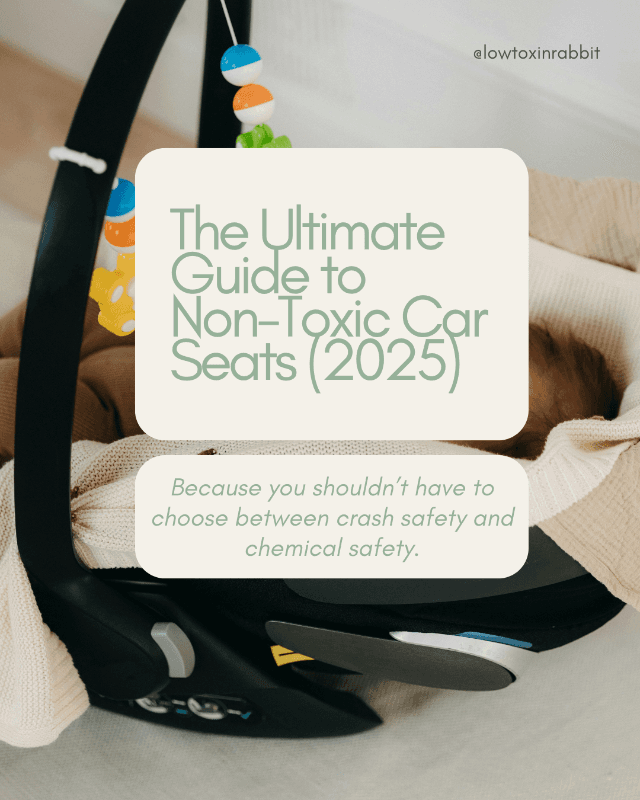
(Because you shouldn’t have to choose between crash safety and chemical safety for your child)
Why Should You Care About Chemicals in Car Seats?
When we shop for a car seat, most of us deep-dive into crash test ratings, side impact protection, and safety records. But here’s a question I wish more parents asked: What’s inside my car seat’s fabric and foam?
Unfortunately, many car seats still contain potentially harmful substances like chemical flame retardants (FRs), PFAS, phthalates, and more. These substances are linked to hormonal disruption, cancer, lowered immunity, developmental delays, and yes, reduced IQ in children. The sad news? These chemicals easily migrate out of the seat and into your child’s body via skin, inhalation, and the ever-present snack-covered hands.
What Toxic Chemicals Are Commonly Found in Car Seats?
Here’s common chemicals of concern often found in car seats:
Flame Retardants (FRs): Added to meet flammability laws, but many are endocrine disruptors and known carcinogens. They have been also linked to abnormal brain development, lower IQ, learning problems (including ADD / ADHD), behaviour changes, and they can interfere with thyroid and sex hormones.
PFAS (“Forever Chemicals”): Used for water/stain resistance, linked to cancer, liver and thyroid problems, immune suppression and they never break down.
Phthalates: Make plastics soft, but disrupt hormones and development.
Bisphenol A (BPA): Found in plastics and resins, is a hormone disruptor.
Polyurethane Foam: Prone to emitting VOCs (volatile organic compounds) that can cause respiratory and neurological issues.
Formaldehyde: Still sometimes present in adhesives, a known carcinogen and respiratory irritant.
Heavy metals: A few brands have been busted for using traces of lead, cadmium, or mercury.
Not what you want where your baby’s face goes…
How Do Children Get Exposed?
Kids are super vulnerable, because:
They touch seat fabrics, then touch their faces, snack, suck thumbs, etc.
Skin absorption matters (kids’ skin is developing and more porous than adults).
Every car ride = more exposure via air particles and dust. Epidemiologists have connected this exposure to a real, measured drop in children’s IQ (3–5 points from ONE particular flame retardant), as well as links to ADHD and other neurodevelopmental issues.
Do We Need Flame Retardants Added to Keep Our Children Safe?
The short answer is no! The current Laws like AS/NZS 1754:2013 require car seat fabrics to stop burning within 2 seconds of flame exposure. But the law doesn’t dictate how this is achieved. Brands can either use chemical treatments or select naturally flame-resistant fabrics and smart design. So it is important to question a company when they say the use of toxic flame retardants in car seats are necessary to meet the regulations. This is simply not true.
Which Car Seat Materials Are Safest?
Look for:
Untreated Wool: Naturally flame-resistant, needs zero FR chemicals.
Dense, Tightly-Woven Polyester: Can pass burn tests without chemical help.
Certifications like GREENGUARD Gold Certification: Limits VOCs, verifying lower chemical emissions.
The Best Non-Toxic, Flame Retardant-Free Car Seats (2025)
The science (and our own research!) says these companies are actually walking the talk making car seats free from added flame retardants in both fabric AND foam where possible. Making them much safer options in terms of not only safety, but also reducing exposure to unnecessary toxic chemicals.
Flame Retardant-Free Car Seats
.png&w=3840&q=75&dpl=dpl_H85FLM5f1rzN6DuG8geoVFYWUP6X)
.png&w=3840&q=75&dpl=dpl_H85FLM5f1rzN6DuG8geoVFYWUP6X)
-1763267400116.png&w=3840&q=75&dpl=dpl_H85FLM5f1rzN6DuG8geoVFYWUP6X)
.png&w=3840&q=75&dpl=dpl_H85FLM5f1rzN6DuG8geoVFYWUP6X)
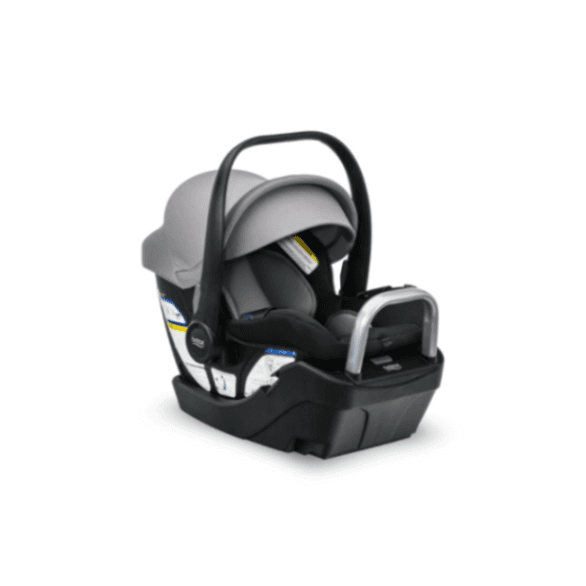
1. Britax (SafeWash Series: Willow, Poplar, Grow With You, One4Life Slim, and Capsules like Cypress, Willow) (Flame Retardant free)- Britax SafeWash fabrics are machine washable and naturally flame retardant.
2. Nuna (All Capsules & convertible seats, Pipa since 2020) - entire car seat line (2020+) is free of added flame retardants in both foam and fabric, REACH-compliant, and Greenguard Gold certified. Naturally flame resistant via merino wool blends. Do check manufacture date on older/secondhand seats.
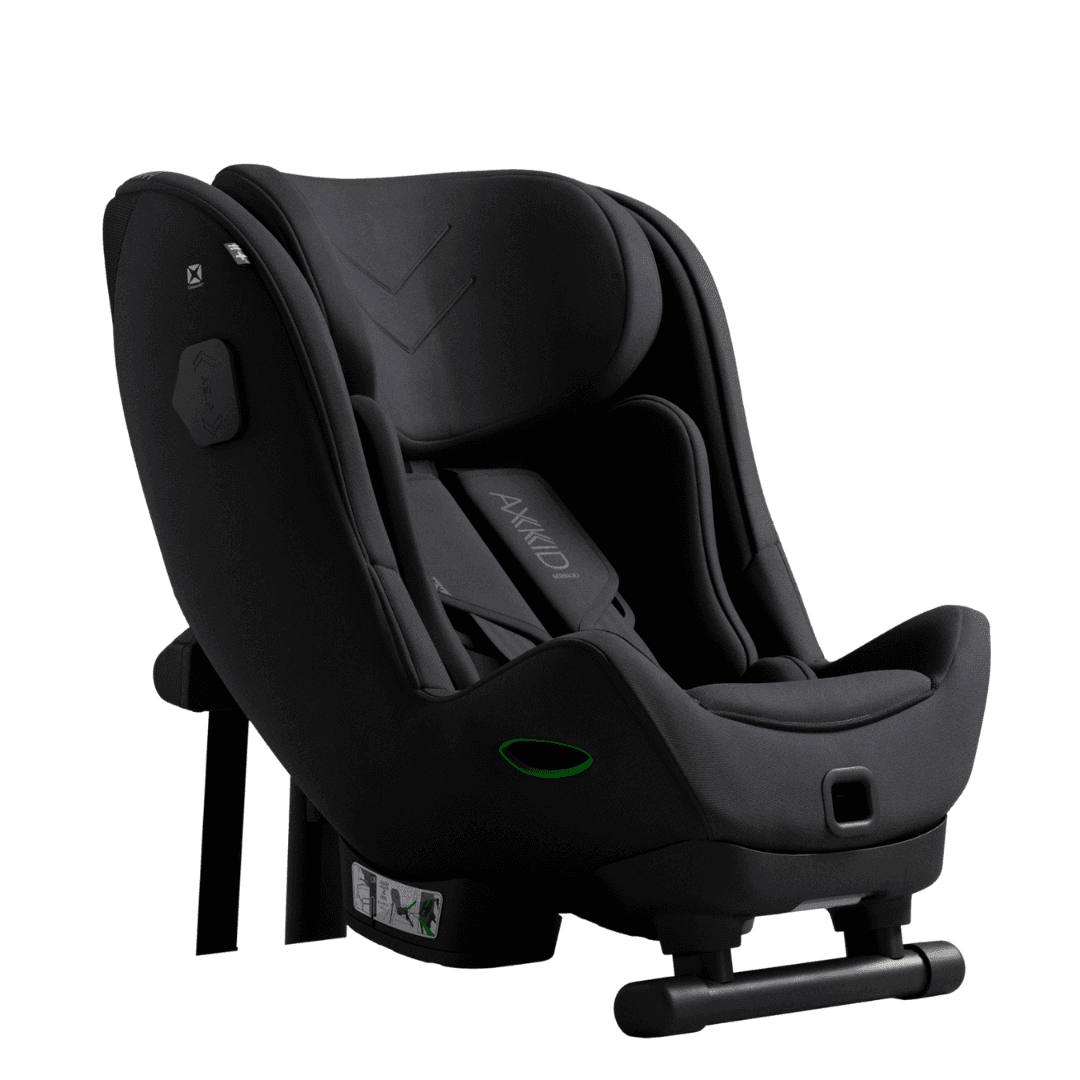
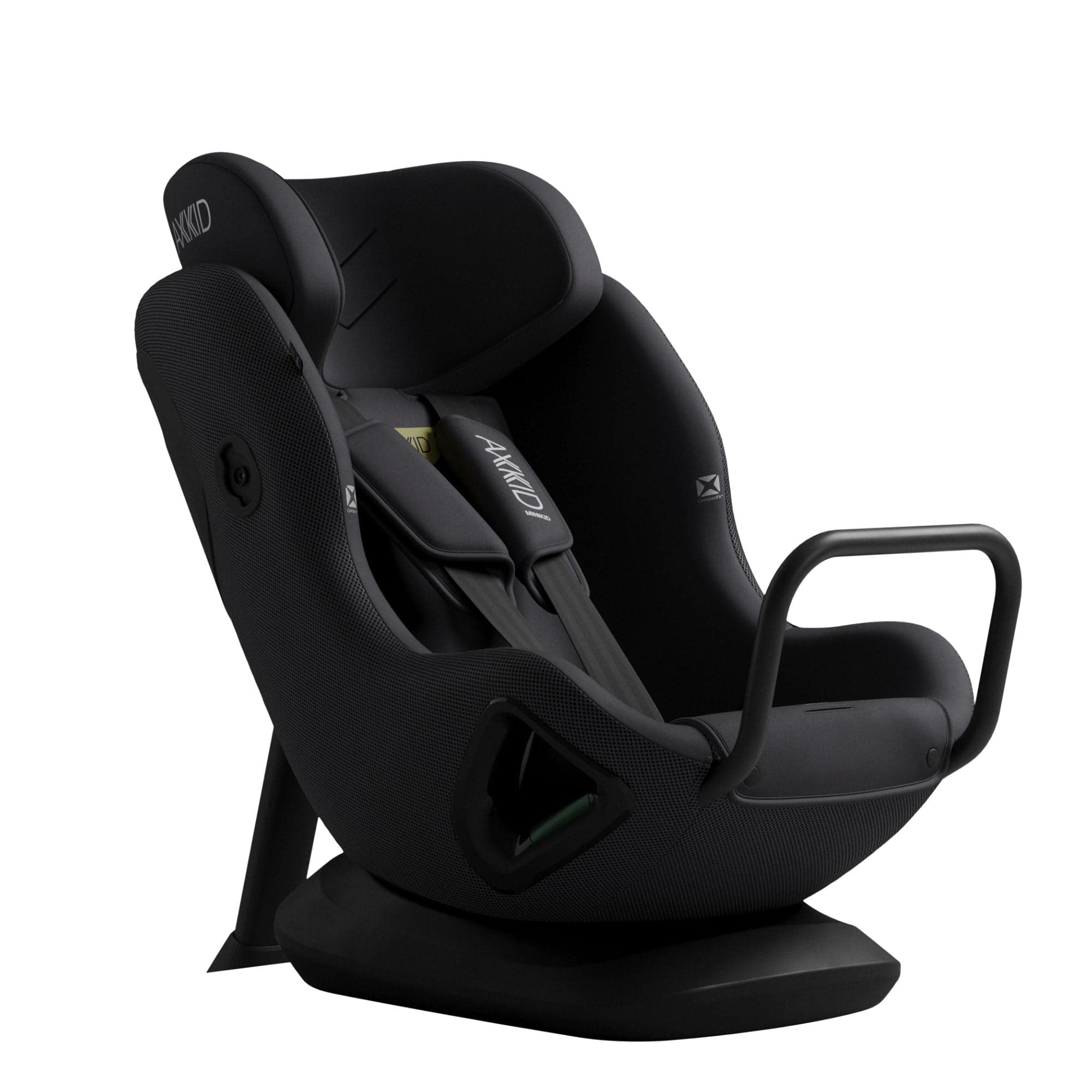
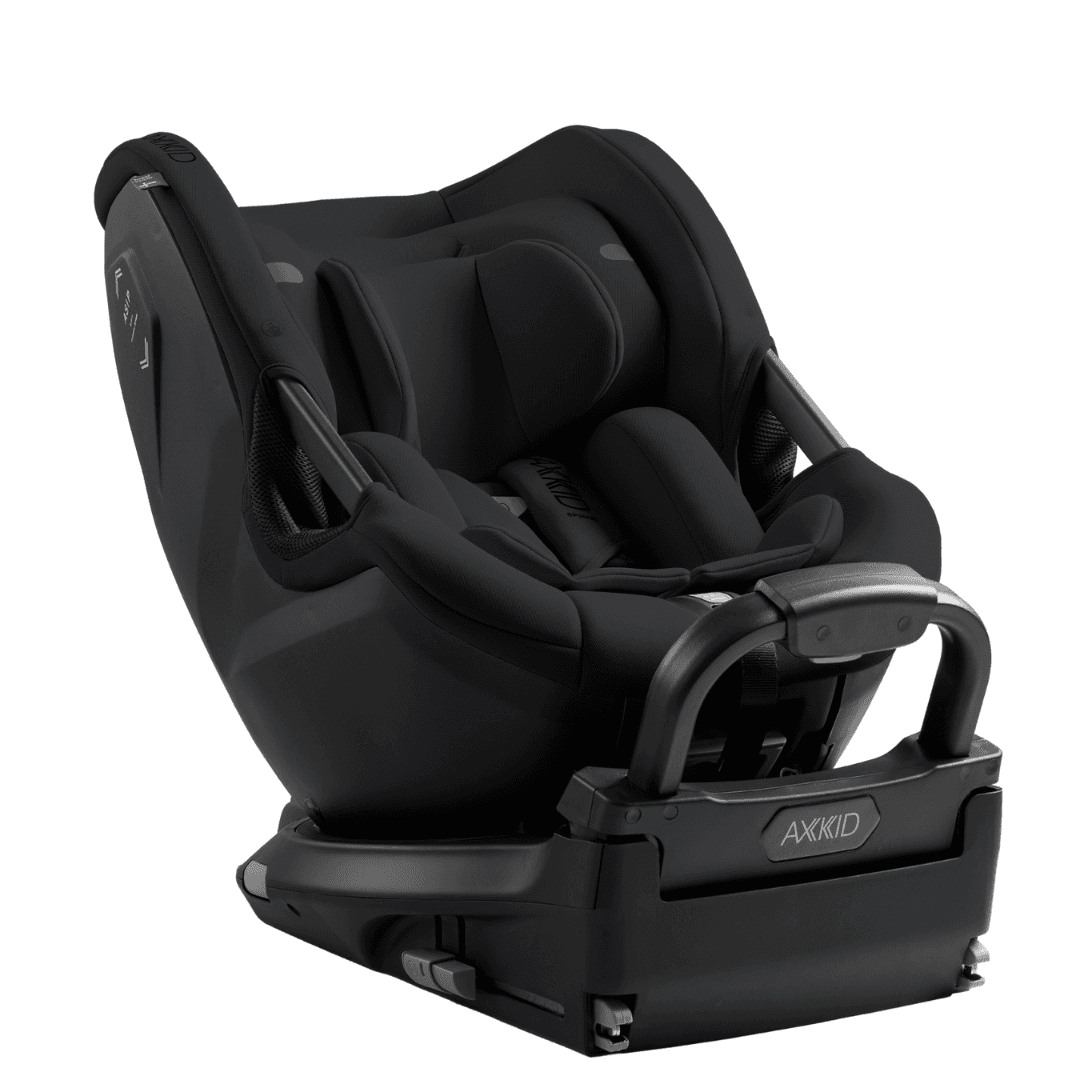
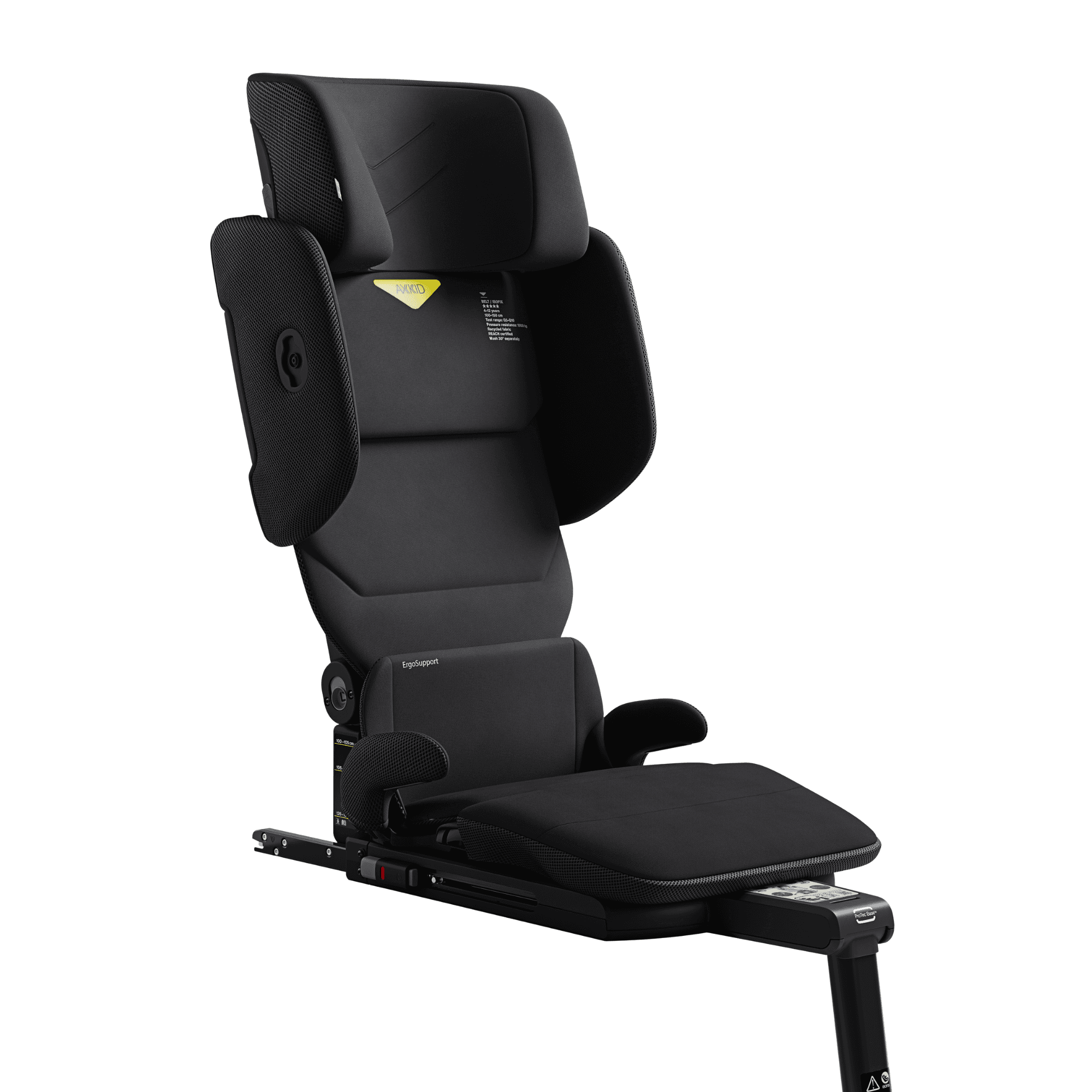
3. Axkid - Confirmed FR-free and REACH-compliant (the EU chemical safety standard). Their rear-facing toddler seats pass the Swedish Plus Test, widely considered the world's strictest crash test.
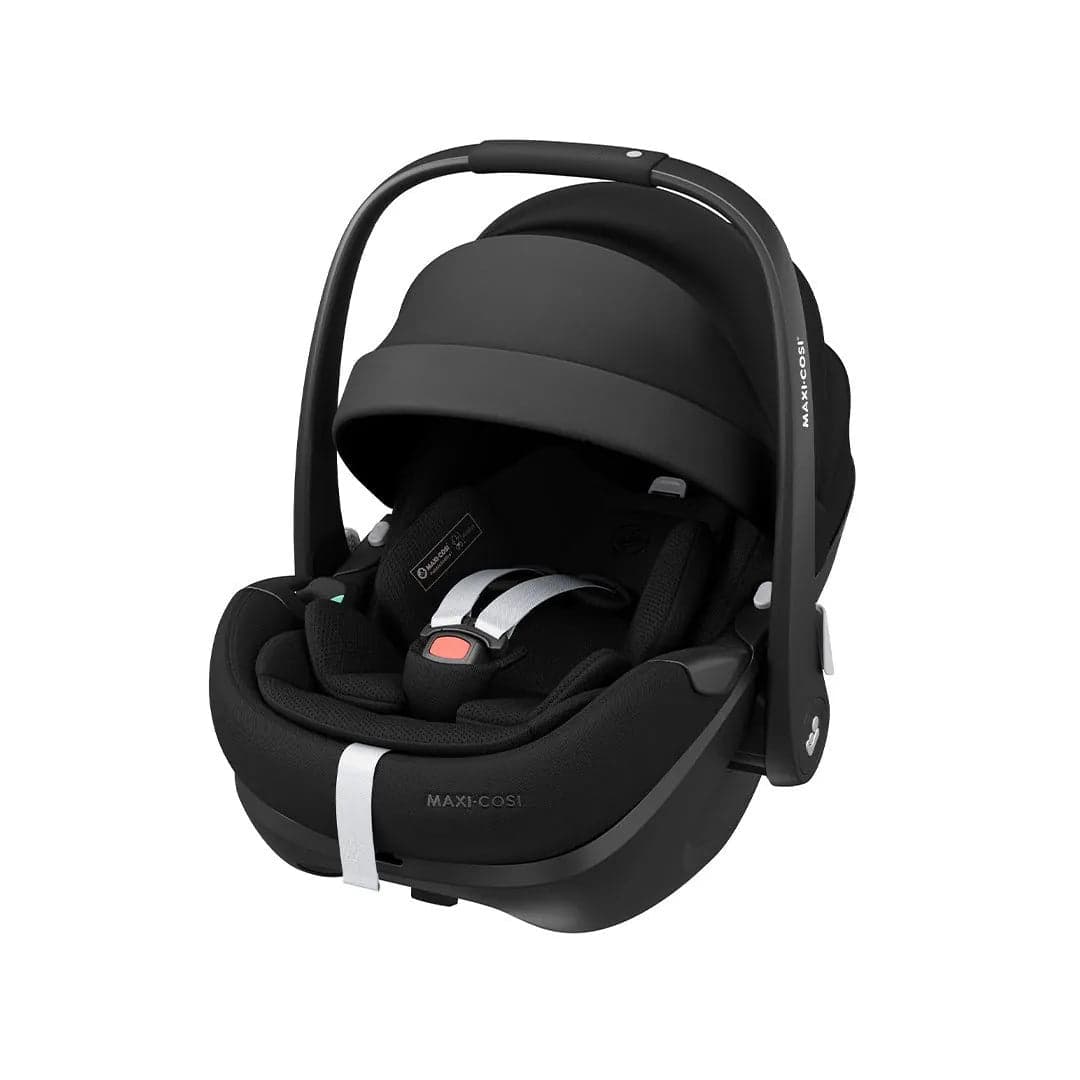
4. Maxi-Cosi - No added Flame-retardants.
5. Edward and Co Car Seats are confirmed to be FR-Free and are OEKOTEX-certified.
Can’t Replace Your Seat Right Now? Here’s What You Can Do
If an all-new car seat isn’t in the budget, you can mitigate exposure by:
Vacuuming and damp-wiping your car’s interior especially the car seat regularly.
Airing out your car, especially after it’s been in the sun.
Teaching older kids not to eat directly off the seat or put their hands in their mouths after riding.
Taking these steps will help reduce your child’s exposure.
Frequently Asked Questions
Q: Don’t car seats NEED chemical flame retardants to be safe from fire?
A: No! Wool and certain polyesters can meet the flammability requirements on their own. Plus, engineering design tweaks can help.
Q: How can I tell if a car seat really is non-toxic?
A: Look for official statements from the company, certifications (like Greenguard Gold), and check recent third-party testing (see Healthy Stuff Lab’s 2022 report).
It’s Not Just About the Fabric
Car seats can also have other chemical hazards (phthalates, BPA, formaldehyde, heavy metals). The brands above are currently at the forefront of eliminating ALL the worst offenders.
Share the Word and Vote with Your Dollar
The good news? Non-toxic, flame-retardant free car seats are finally common if you know where to look thanks to researchers helping parents push back and demand safer. Supporting brands who do the right thing helps push the whole industry forward.
Share this guide. Email the companies (they listen!). Ask retailers what they carry. Your child’s daily car trips will be not only crash-safe, but chemically safer too.
Safety should never be a tradeoff between protection in a crash and daily chemical exposure. Today’s options make it possible to find car seats that offer both solid crash test results and low-toxicity materials. Remember to always ask questions and check the certifications to help choose the seat that fits both your safety standards and your family’s needs.
Be empowered. Ask questions. Choose safer. And share this guide to help other parents do the same!
References
https://www.ecocenter.org/our-work/healthy-stuff-lab/reports/toxic-inequities-2022-car-seat-report

People who viewed this also viewed
.png&w=828&q=75&dpl=dpl_H85FLM5f1rzN6DuG8geoVFYWUP6X)
Non-Toxic Kettles: How to Choose a Safe Kettle and the Best Options Available
.png&w=828&q=75&dpl=dpl_H85FLM5f1rzN6DuG8geoVFYWUP6X)
Non-Nano vs Nano Hydroxyapatite Toothpaste: Why the Particle Size Actually Matters
Product Guide - Cleaning
How to Buy Organic Food on a Budget: Tips for Affordable Healthy Eating
The Ultimate Water Filter Guide